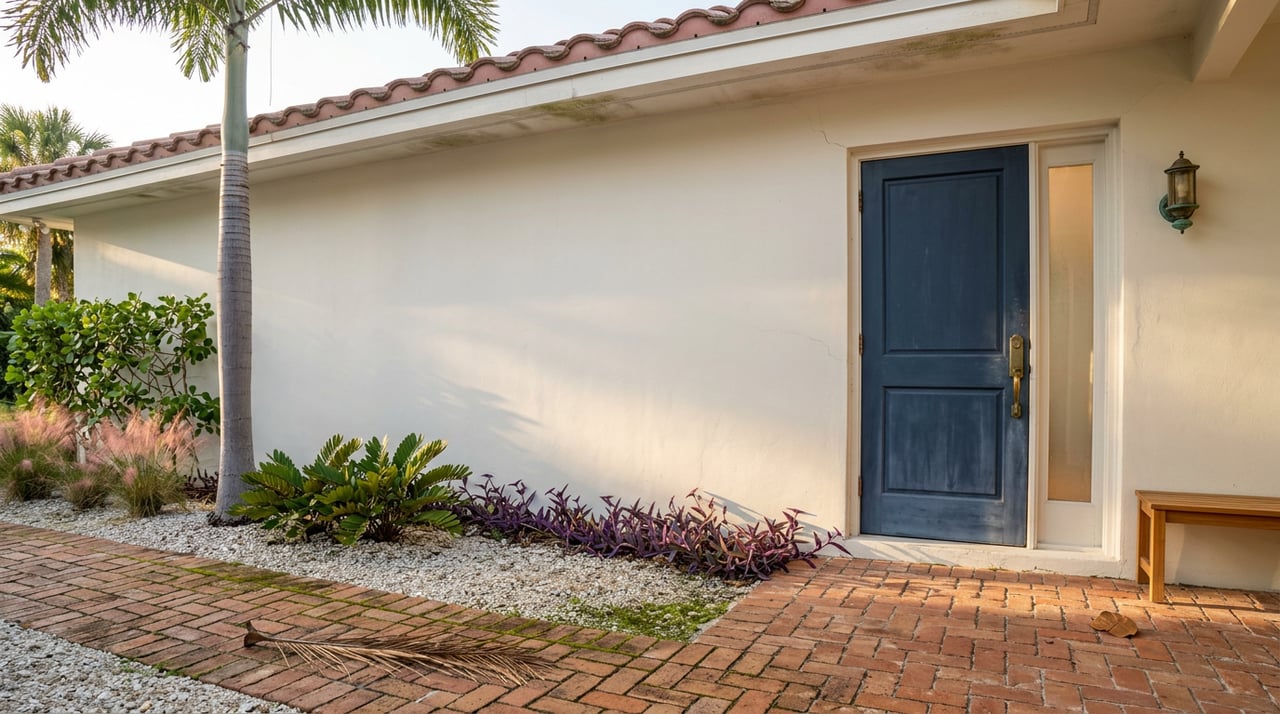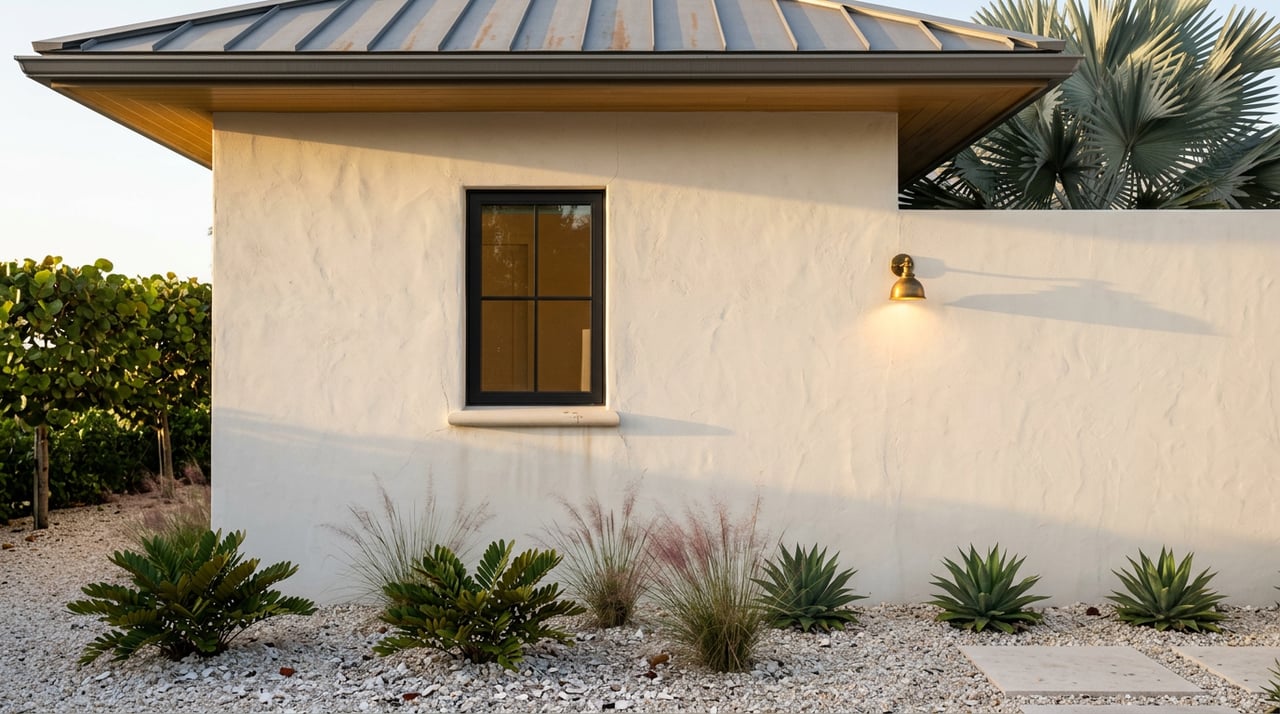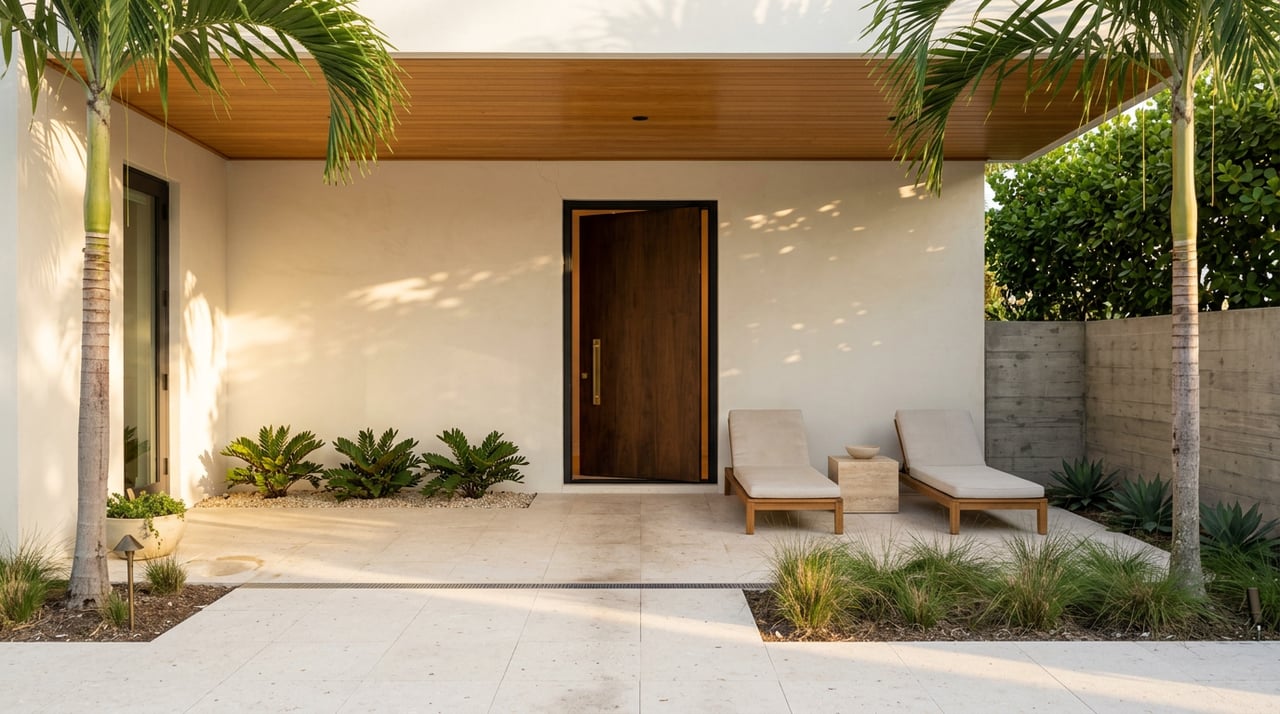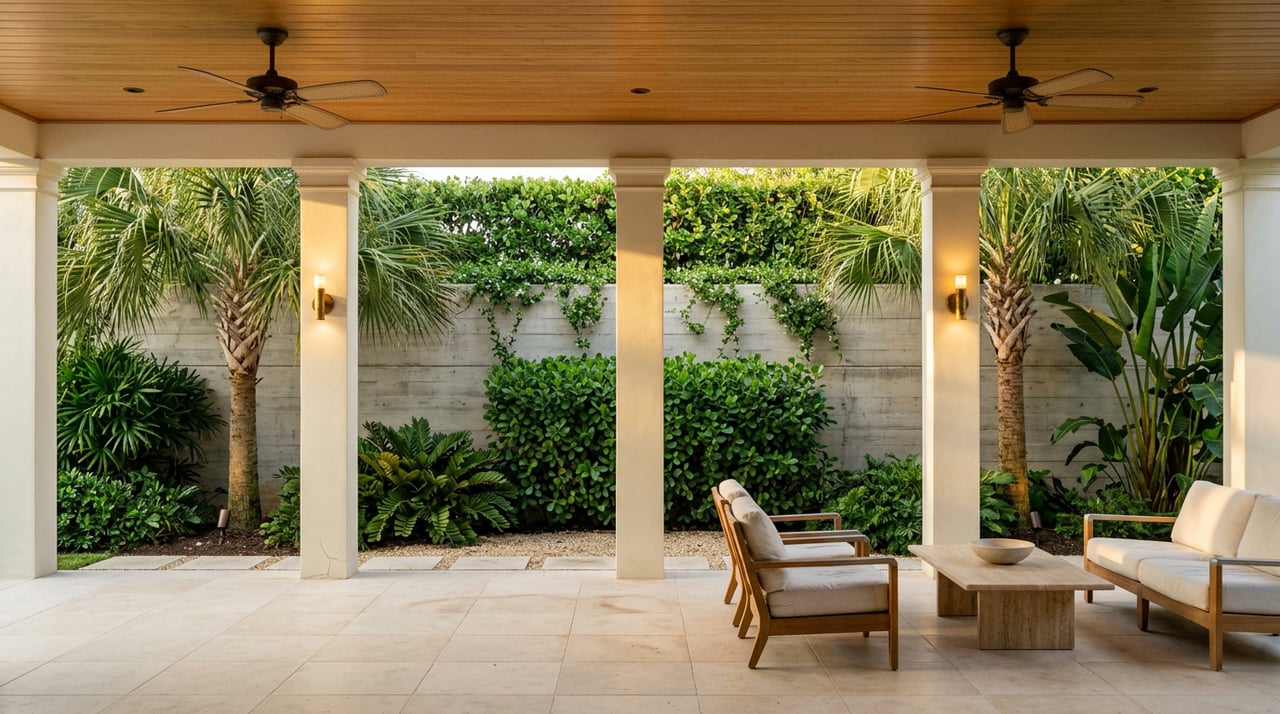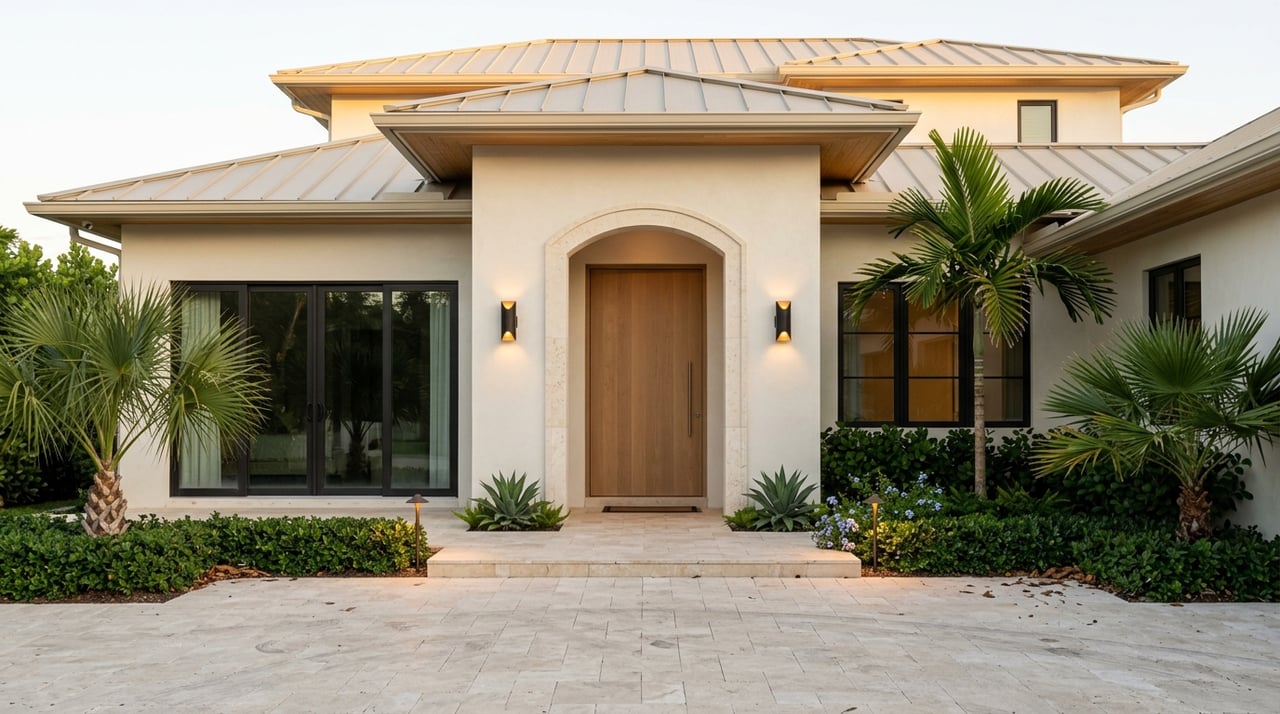
Dreaming about a second home on Anna Maria Island? It is easy to picture the beach walks and laid-back coastal rhythm, but buying here also means thinking carefully about flood exposure, guest logistics, and how you want the home to function when you are not in town. If you want a smarter path to ownership, this checklist will help you focus on the decisions that matter most before you make an offer. Let’s dive in.
Start With How You Will Use It
A second home on Anna Maria Island should match your real life, not just your vacation vision. Before you look at finishes or square footage, think about how many weeks each year you plan to use the property and whether it needs to work as a true lock-and-leave home.
That first decision shapes almost everything else. If you expect frequent guests, occasional rentals, or longer seasonal stays, your priorities may shift toward easier maintenance, better parking, and a layout that feels simple to manage from afar.
Match the Area to Your Lifestyle
Anna Maria Island offers different ownership experiences depending on where you buy. According to the City of Anna Maria, Anna Maria is primarily residential, Holmes Beach serves as the island’s commercial center, and Bradenton Beach tends to be more tourist-oriented.
That means your best fit may come down to daily feel rather than home size alone. If you want a quieter setting, that may lead you one way. If walkability, guest convenience, or proximity to island activity matters more, that may point you somewhere else.
The island is connected to the mainland by bridges and linked north to south by a free trolley. That can be a real plus for guests, but it also makes traffic flow, parking, and ease of movement part of the ownership experience.
Questions to Answer Early
- How many weeks per year will you personally use the home?
- Do you want a low-maintenance, lock-and-leave property?
- How many overnight guests do you expect to host?
- Will parking be important for family visits or rental use?
- Do you prefer a quieter residential setting or a more active location?
Prioritize Layout Over Raw Size
On a barrier island, the floor plan often matters more than headline square footage. If you plan to host family or rent the home from time to time, bedroom count, bathroom count, parking, and circulation can affect daily comfort more than a large footprint.
The City of Anna Maria’s vacation-rental registration requirements offer a useful lens here. The city requires both exterior and interior sketches that show bedrooms, exits, stairs, structures, pools, spas, fencing, and off-street parking. Even if you are not certain you will rent, those same details are worth reviewing before you buy.
A good second-home layout should help people arrive, unpack, settle in, and enjoy the property without confusion. That includes practical features like clear entrances, enough baths for your guest count, and outdoor areas that feel usable rather than crowded.
Features Worth Checking
- Bedroom and bath count for your expected guest mix
- Off-street parking capacity
- Pool or spa placement
- Easy indoor-outdoor flow
- Clear stair and hallway access
- Storage for beach gear and owner belongings
Understand the Island Building Context
Anna Maria has a low-rise character that shapes the ownership experience. The city’s building official posting notes that there are no high-rise buildings within Anna Maria city limits.
For many buyers, that is part of the appeal. It also means your search may focus more on homes designed for coastal living rather than tower-style convenience.
If you are considering a property that needs updates, it helps to know the types of projects local municipalities commonly review. Bradenton Beach permit checklists include new residential construction, additions, accessory structures, pool and spa work, marine projects, renovations, roof work, window and door replacements, and demolition.
Budget for Flood and Wind From Day One
This may be the most important part of your checklist. The City of Anna Maria states that the city lies entirely within the 100-year floodplain and within a special flood hazard area known as a coastal high hazard area.
That should affect how you underwrite the purchase from the start. Flood insurance, storm preparation, and long-term reserves are not optional extras in this market. They are part of the baseline cost of ownership.
FEMA guidance cited by the city notes that new or substantially improved residential structures in coastal special flood hazard areas must be elevated above the base flood level. FEMA also defines substantial improvement as work that equals or exceeds 50 percent of the structure’s market value.
For you as a buyer, that makes due diligence especially important. A home’s renovation history, storm-damage history, and current elevation status can all influence future costs and project scope.
Ask for These Documents
- Elevation certificate
- Flood zone determination
- Recent mitigation documents
- Roof age and replacement history
- Information on windows, doors, shutters, and exterior fasteners
- Records of prior storm-related repairs or renovations
Expect Coastal Wear and Ongoing Maintenance
Island homes face more than sunshine and sea breezes. Coastal conditions can accelerate wear, especially on exterior materials and metal components.
FEMA’s coastal guidance notes that salt spray and humidity can speed corrosion in metal connectors, fasteners, and exterior hardware. Over time, those smaller details can become meaningful maintenance items, especially if the home has not been updated with coastal durability in mind.
This is where a careful property review matters. A beautiful home can still carry deferred maintenance that is easy to miss if you focus only on finishes and location.
Plan for Renovation Timelines Realistically
If you are buying with renovation in mind, build extra time into your plan. Anna Maria’s building department uses the current Florida Building Code 8th Edition, 2023, and the city says permit submissions are reviewed for engineering, public works, planning, and floodplain items before building review.
That layered review process can stretch timelines longer than many second-home buyers expect. If your goal is to personalize a property quickly, it is wise to assess not only cost but also timing before you move forward.
For buyers looking at remodel opportunities, that can make construction knowledge especially valuable during the search phase. It is often better to understand likely scope and approval complexity before you close, not after.
Verify Rental Flexibility Before You Buy
Many second-home buyers want the option to offset carrying costs through rentals. On Anna Maria Island, that flexibility should always be verified before purchase because local rules and registration requirements matter.
The City of Anna Maria requires annual vacation-rental registration and requires current state lodging, state tax, and county tax accounts before a property may be advertised or rented. The registration package also requires exterior and interior sketches.
Bradenton Beach also points owners toward business tax receipt and transient lodging licensing requirements. In other words, rental use is part of the market here, but it is closely regulated.
Anna Maria’s 2025 vacation-rental fee resolution stated that the city had 759 registered vacation rental properties as of December 31, 2024. That number shows how significant short-term rentals are to the island housing mix, but it should not replace property-specific verification.
Rental Checklist for Buyers
- Confirm the property’s city and applicable local rules
- Verify whether your intended rental use is allowed
- Check whether bedroom count supports your plans
- Review off-street parking carefully
- Understand registration requirements before marketing the property
Think About Day-to-Day Guest Livability
Even if rental income is only a secondary goal, guest experience still matters. A second home should be enjoyable for the people who use it, whether that is family, friends, or occasional renters.
On Anna Maria, practical livability includes easy arrival, functional parking, and clear expectations around local rules. The city notes that quiet time for pools runs from 10 p.m. to 8 a.m., and parking laws are strictly enforced.
That makes the ownership experience more than a design decision. It is also about choosing a home that works smoothly within local operating realities.
Watch Shoreline and Access Changes
Barrier-island ownership is never static. Beach condition, access, and nearby shoreline work can change over time, so it is smart to stay aware of current public projects that may affect your ownership experience.
Manatee County approved $6.18 million in June 2026 to advance a beach renourishment and recovery project on Anna Maria Island following storm-related erosion. Construction is currently scheduled for November 2026 through March or April 2027.
For a buyer, that is a useful reminder that waterfront and beach-adjacent ownership involves an active coastal environment. Conditions, access, and nearby improvements can evolve, and they should be part of your decision-making.
Your Second-Home Buying Checklist
If you want a simple way to organize your search, start here:
- Define how often you will use the home
- Decide whether you need lock-and-leave simplicity
- Choose the island area that best fits your lifestyle
- Prioritize guest-friendly layout and parking
- Review flood exposure and elevation documents
- Budget for wind, flood, and coastal maintenance
- Ask about prior renovations and storm history
- Understand permit timing for any planned updates
- Verify rental rules before making an offer
- Consider beach access, traffic, and guest movement
A second home on Anna Maria Island can be a wonderful lifestyle purchase, but the strongest decisions usually come from careful planning rather than impulse. When you weigh lifestyle fit, guest function, coastal risk, and future flexibility together, you are much more likely to buy a property that serves you well for years to come.
If you are considering a second-home purchase on Anna Maria Island and want a more private, detail-focused approach, Fuller Group offers concierge-level guidance, curated property searches, and construction-minded insight to help you evaluate opportunities with greater clarity.
FAQs
What should you check first when buying a second home on Anna Maria Island?
- Start with how you plan to use the home, how often you will be there, whether it needs to be easy to leave unattended, and how many guests you expect to host.
What are the key area differences for Anna Maria Island second-home buyers?
- The City of Anna Maria describes Anna Maria as more residential, Holmes Beach as the commercial center, and Bradenton Beach as more tourist-oriented.
Why is flood risk so important for Anna Maria Island homes?
- The City of Anna Maria says the city is entirely within the 100-year floodplain and a coastal high hazard area, which makes flood due diligence and insurance planning essential.
What rental rules should second-home buyers verify on Anna Maria Island?
- Buyers should confirm local rental use rules, annual registration requirements, tax account requirements, and whether the home’s parking and bedroom count support their intended use.
What documents should you request before buying an Anna Maria Island property?
- Ask for the elevation certificate, flood zone determination, mitigation documents, roof history, and records related to prior storm damage or major renovations.