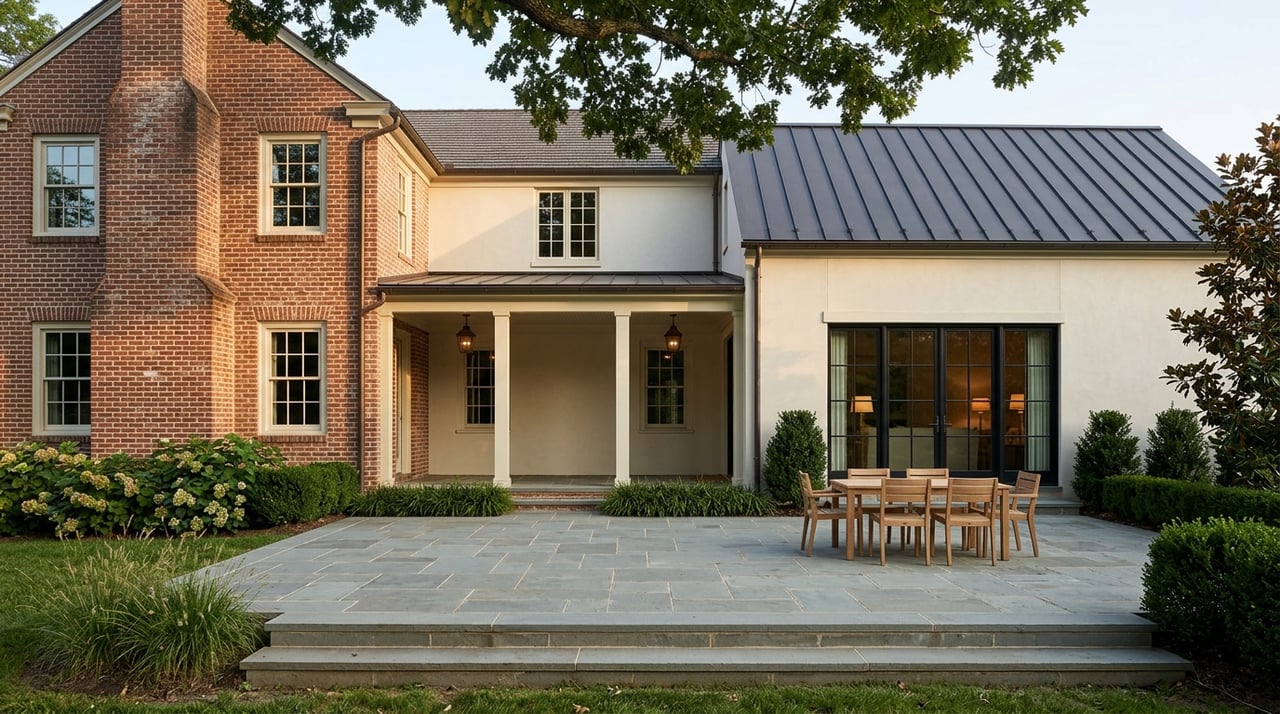
If you are weighing luxury homes in Franklin, you are likely choosing between two very different kinds of appeal. One offers deep architectural character, a walkable historic setting, and the chance to own a piece of the city’s story. The other offers modern systems, coordinated neighborhood design, and a more predictable ownership experience. This guide will help you compare new construction and historic estates in Franklin so you can decide which version of luxury fits your lifestyle best. Let’s dive in.
Franklin luxury living starts with setting
Franklin presents a rare split in the luxury market. The city describes downtown as a compact historic district with roughly 200 years of history, and planning sources similarly frame it as a tightly preserved historic core rather than a typical suburban center. That creates a very different feel from the newer master-planned communities that shape much of Franklin’s recent luxury growth.
For you as a buyer, that means the first decision is often not just price or square footage. It is whether you want heritage-centered living near downtown Franklin or a newer, amenity-rich home in a planned neighborhood such as Westhaven or Berry Farms. Each path can feel elevated, but they deliver luxury in different ways.
Historic estates offer layered character
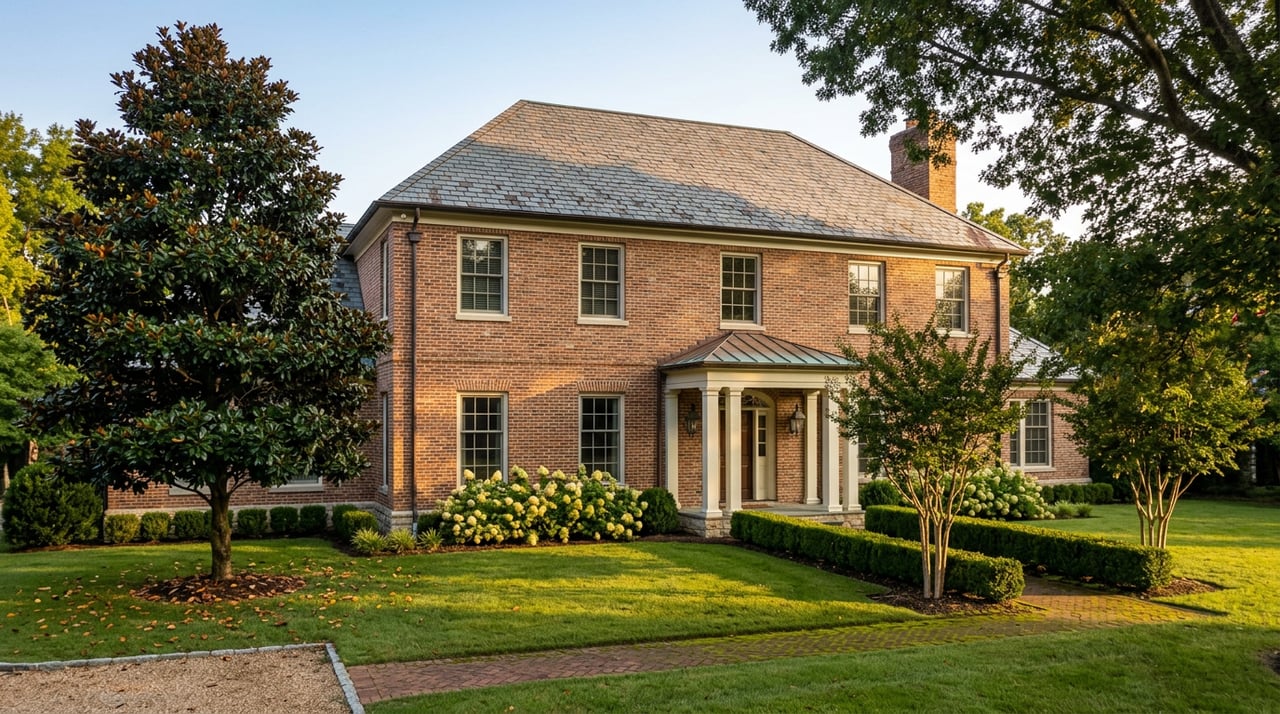
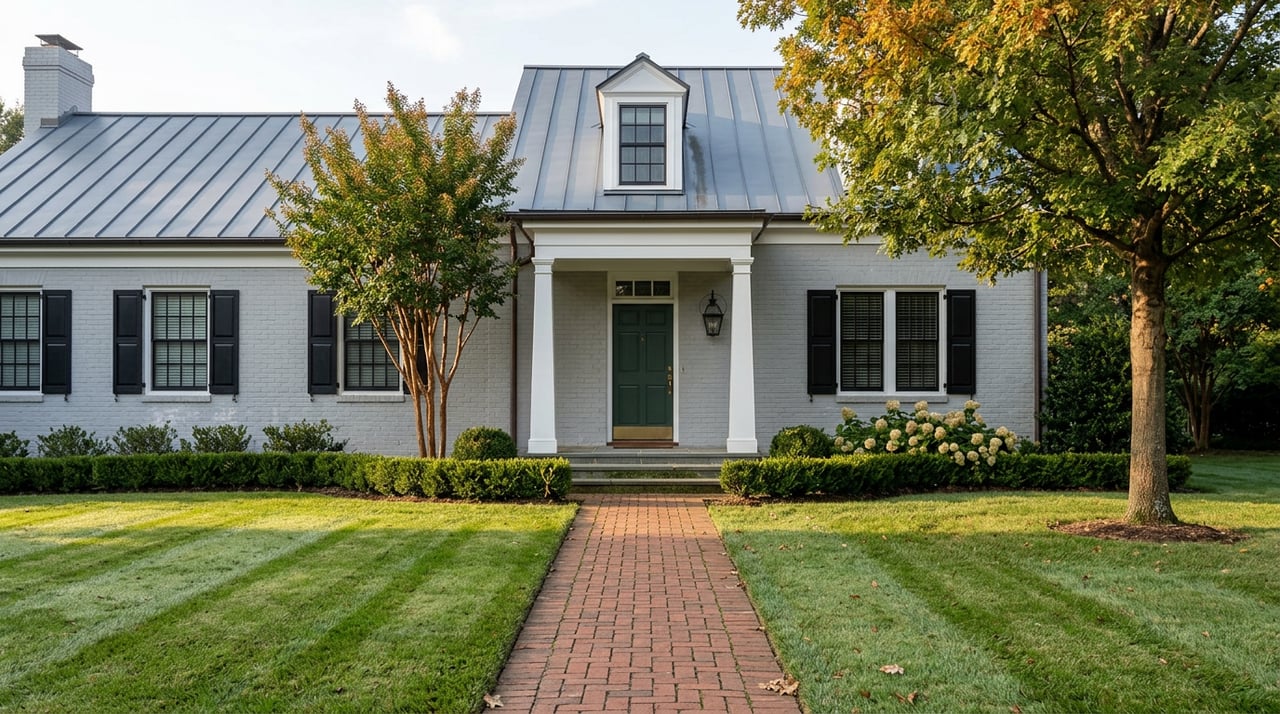
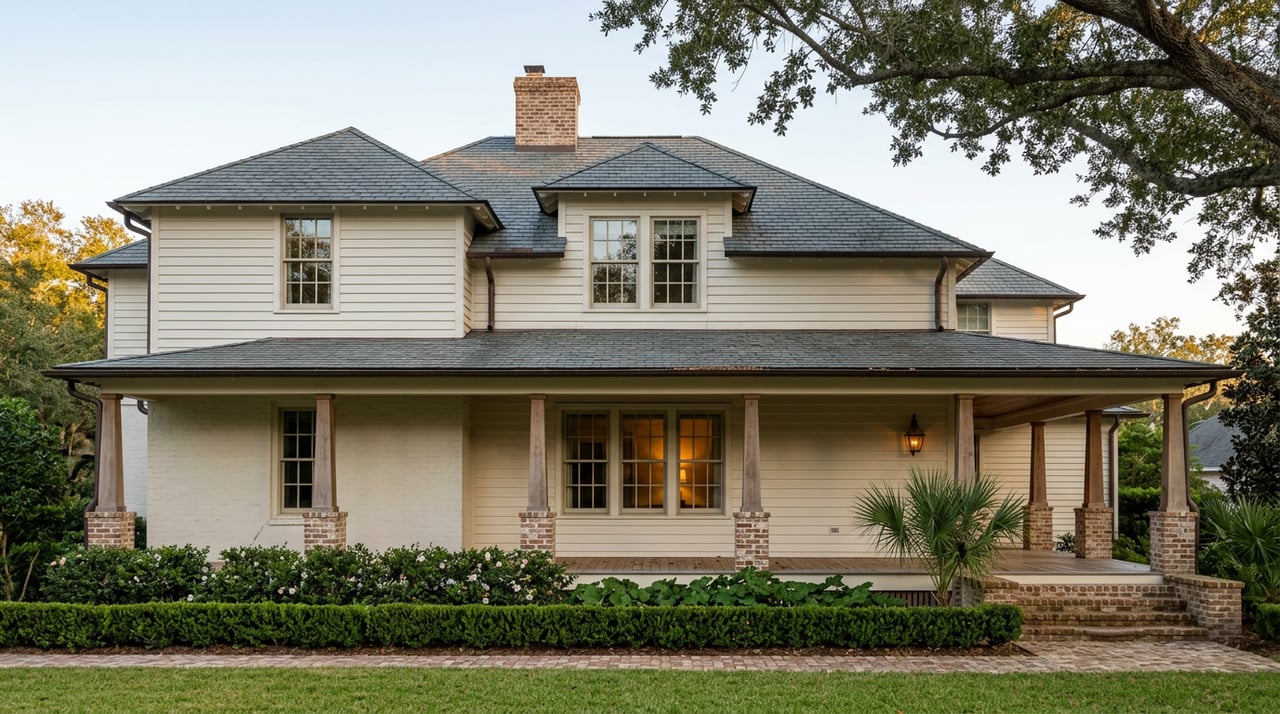
Historic homes near downtown Franklin tend to stand apart through architecture and setting. Planning sources note styles including Federal, Middle Tennessee, Greek Revival, Italianate, and Victorian, while the city highlights landscaped streets, brick sidewalks, and renovated historic buildings throughout the district. If you value design originality, this part of Franklin offers a depth that is difficult to replicate in newer construction.
That character extends beyond the home itself. In historic Franklin, the streetscape contributes to daily life just as much as the house. The rhythm of the blocks, the preserved facades, and the walkable downtown setting create a sense of place that many luxury buyers find hard to replace.
What historic ownership really means
Owning a historic home in Franklin also means taking on a stewardship role. The city’s Historic Preservation Overlay and design guidelines require review of many exterior changes, and covered work may need a Certificate of Appropriateness. That can include additions, window changes, masonry work, roofing updates, site elements, and even demolition or relocation.
For you, this means exterior changes are more regulated than they would be in many newer neighborhoods. That extra review can help protect the surrounding character, but it can also affect renovation timelines, design flexibility, and project planning. If you are considering a major update, it is wise to approach the home with both appreciation and patience.
Renovation potential in historic Franklin
Historic homes can still be adapted for modern living. The National Park Service describes rehabilitation as making a property usable through repair, alterations, and additions while preserving the features that give it historic significance. In practical terms, that means thoughtful updates are possible, but they usually require more documentation and a more careful design approach.
This is where a buyer’s strategy matters. If you see value in tailoring an older estate over time, a historic property may offer strong long-term appeal. If you want complete freedom to reshape the exterior without added review, a newer property may be the simpler fit.
New construction brings coordinated design
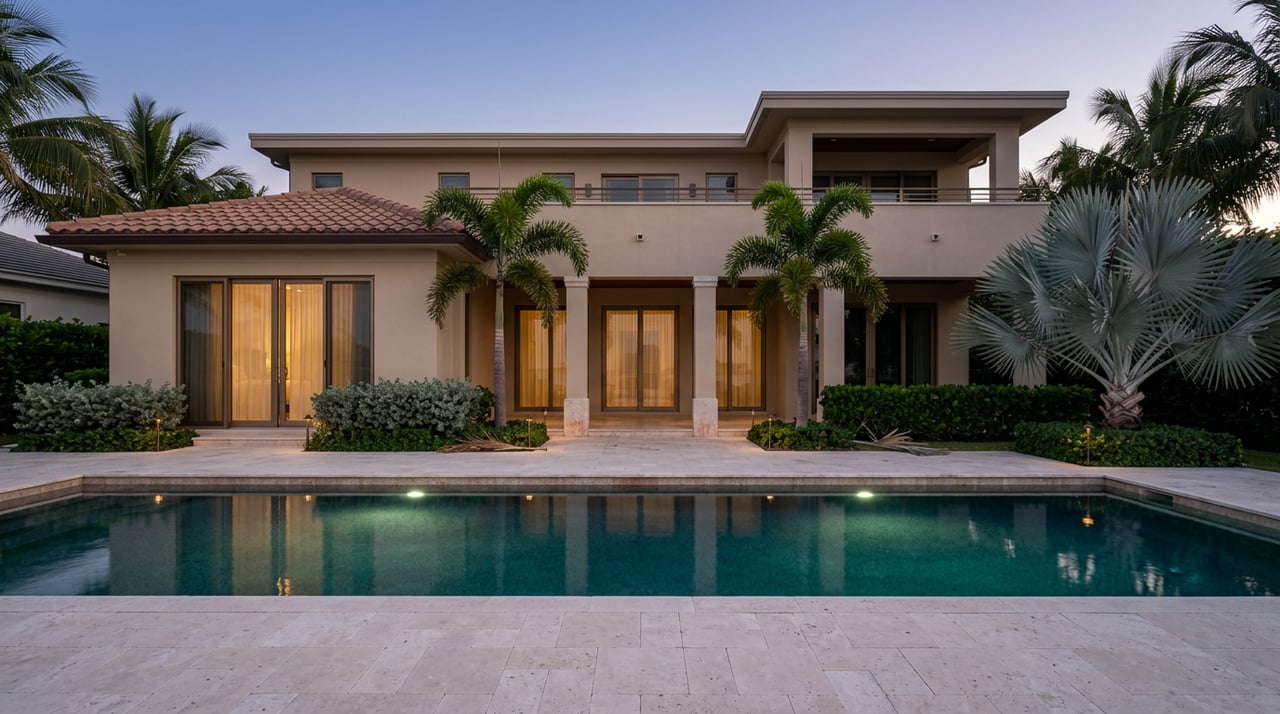
Franklin’s newer luxury homes are often found in master-planned communities where architecture, streets, and shared spaces are intentionally coordinated. Westhaven describes its environment as a village-style setting planned by architects, engineers, and landscape architects, while Berry Farms says its master plan was designed to create a clear sense of place and reflect the character of historic Franklin.
That matters because new construction in Franklin is not necessarily generic. In many cases, it is carefully designed to echo traditional neighborhood scale while still delivering the systems and floor plans that today’s buyers expect. If you want a polished, cohesive environment, this side of the market can be very appealing.
What newer homes often include
Newer homes typically offer a more standardized ownership experience in the first several years. For example, Westhaven’s published townhome features include low-E windows, smart thermostats, architectural shingles with a manufacturer warranty, automatic irrigation, and a 1-year workmanship plus 2-year mechanical and structural warranty.
These features do not make a home maintenance-free, but they can reduce early surprises. For many luxury buyers, especially those relocating or balancing multiple properties, that predictability is a major advantage.
Maintenance is different, not absent
One of the clearest differences between historic estates and new construction is the type of maintenance you should expect. Older homes often come with more variables, especially if systems have been updated over time or if preservation standards shape how repairs are handled. New construction tends to offer fewer unknowns in the early years, but it still requires ongoing care.
The Federal Trade Commission notes that most newly built homes come with some type of builder warranty for permanent parts of the home, although coverage can vary and certain items may be excluded. That can provide peace of mind at the start of ownership, especially compared with an older property where maintenance history may span decades.
For older homes, national census analysis offers a useful benchmark. Owners of homes built before 1950 reported a median of $1,800 per year on upkeep, while new owners of older homes reported a median of $3,900 annually. Those figures are not specific to Franklin, but they are a good reminder to plan a separate maintenance and improvement budget if you are purchasing a historic estate.
Lifestyle may be the deciding factor
For many buyers, the right choice comes down to how you want to live day to day. Franklin’s downtown historic district supports a walkable routine shaped by blocks, storefronts, dining, shopping, galleries, and a visible connection to the city’s past. Planning sources describe wide sidewalks, street trees, a grid layout, and mixed-use zoning that support walking and residential infill.
If your ideal day includes easy access to Main Street and a home that feels connected to Franklin’s heritage, a historic property may be the better match. The appeal is not only aesthetic. It is also about being part of a place with a very established identity.
Master-planned communities create a different rhythm. Westhaven describes village life built around trails, a clubhouse, pools, fitness facilities, concerts, farmers markets, and gathering spaces, while Berry Farms centers daily convenience around work, shopping, and leisure in a pedestrian-friendly environment. If you want lifestyle amenities and a more managed neighborhood framework, new construction often fits more naturally.
Comparing Franklin’s two luxury paths
Here is a simple side-by-side view of how the two options often differ:
| Feature | Historic Estates | New Construction |
|---|---|---|
| Setting | Near preserved downtown fabric | Master-planned neighborhood environment |
| Architecture | Original, layered historic styles | Coordinated design with modern systems |
| Exterior changes | More regulated under local guidelines | Usually more flexible within community standards |
| Maintenance profile | More variable, often higher planning needs | More predictable in early ownership |
| Lifestyle | Walkable, heritage-centered, urban in rhythm | Amenity-rich, curated, convenience-driven |
| Renovation approach | Careful, review-driven, preservation-minded | Simpler path for modern preferences |
This is not a question of better or worse. It is a question of fit. The right home for you depends on whether you place more value on character and legacy or on ease and predictability.
How to choose the right luxury home
If you are narrowing your options in Franklin, ask yourself a few practical questions:
- Do you want daily access to downtown Franklin’s historic core?
- Are you comfortable with review processes for exterior changes?
- Would you rather personalize an older estate over time?
- Do you prefer newer systems and warranty-backed construction?
- Is your lifestyle centered more on walkability or neighborhood amenities?
- How much maintenance uncertainty are you willing to absorb?
Your answers can quickly clarify which side of Franklin’s luxury market deserves your attention. In many cases, the strongest choice is the one that supports how you want to live for the next five to ten years, not just what looks best on day one.
A smarter way to evaluate both options
In a market like Franklin, it helps to look beyond finishes and staging. Historic estates require a careful eye for condition, renovation potential, and local design oversight. New construction calls for a close review of build quality, warranty details, neighborhood standards, and long-term livability.
That is where experienced guidance can make a real difference. When you combine market knowledge with construction awareness, it becomes easier to compare homes not only by beauty, but by effort, flexibility, and future value. If you are considering a purchase or planning a move within Franklin, Fuller Group can help you evaluate the lifestyle, design, and ownership tradeoffs with a private, concierge-level approach.
FAQs
What is the main difference between historic and new luxury homes in Franklin?
- Historic homes typically offer original architecture, downtown proximity, and more renovation complexity, while new construction usually offers modern systems, coordinated neighborhood design, and more predictable early ownership.
What should you know about renovating a historic home in Franklin?
- Many exterior changes in Franklin’s historic overlay require review and may need a Certificate of Appropriateness, so renovation plans often take more coordination and time.
What makes new construction appealing in Franklin luxury communities?
- Newer homes often include modern materials, newer infrastructure, builder warranties, and access to planned amenities that can simplify daily living.
What lifestyle does downtown Franklin support for luxury buyers?
- Downtown Franklin supports a walkable lifestyle with access to restaurants, shopping, galleries, and a preserved historic setting.
What lifestyle do Franklin master-planned communities support?
- Master-planned communities tend to support convenience-focused living with trails, clubs, gathering spaces, and other coordinated neighborhood amenities.
What maintenance costs should you expect with an older luxury home?
- Older homes often require a separate upkeep budget, and national census analysis shows owners of pre-1950 homes reported higher maintenance spending, especially in the first years after purchase.