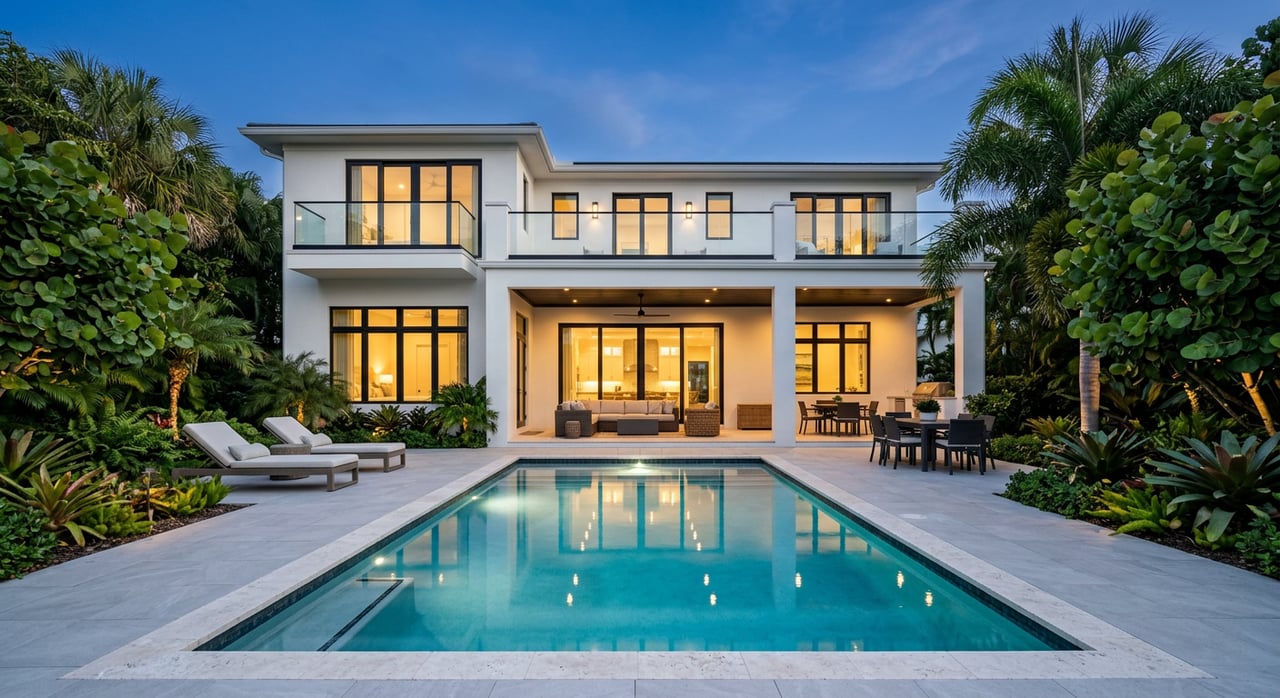
Thinking about turning a beach home on Anna Maria Island into a steady, guest‑ready vacation rental? You are not alone. Demand is strong, rates can be high, and the island lifestyle is hard to beat. Still, real returns depend on clear rules, realistic revenue, and disciplined cost control. In this guide, you will learn the key regulations, taxes, and operating costs that shape returns in ZIP 34216, plus a simple income model to frame your decision. Let’s dive in.
Quick snapshot: market and timing
Anna Maria Island is a small, high‑value barrier‑island market with strong visitor demand. Market analytics show average occupancy around 64% and an average daily rate (ADR) near $800.6 across a broad mix of listings. Actual performance varies by bedroom count, beachfront proximity, and amenities.
Seasonality matters. Peak demand runs December through April, with February to April especially strong. Shoulder months like May and September to October offer more availability and softer pricing. Late summer into early fall is hurricane season and tends to be the slowest period. Weekly bookings are common in high season, especially for beachfront homes.
Home prices on the island reflect its scarcity and lifestyle appeal. Median and listing prices often sit in the high six‑figures to multi‑million range. Because inventory is limited, price data can be volatile from month to month. Always use current local comps for any purchase decision.
Your 7‑step action checklist
- Confirm the property’s municipality and pull the exact city rules. The island spans the City of Anna Maria, Holmes Beach, and Bradenton Beach. Verify whether the home already holds a city vacation‑rental certificate and if it transfers to you.
- Check zoning and any HOA or condo rules for the parcel. Many associations set strict rental limits or prohibit short stays entirely.
- Register for taxes. Short stays in Manatee County typically carry about 13% total tax combining state sales/use tax and the county tourist development tax. Set up Florida Department of Revenue and Manatee County tourist‑tax accounts before hosting.
- Pull short‑term rental comps by bedroom count and by month. Do not rely on a single market average. Use property‑level benchmarks for ADR and occupancy.
- Get 2–3 proposals from local property managers and at least two insurance quotes. Model different management and platform‑fee scenarios before you buy.
- Budget for higher coastal insurance, cleaning, utilities, and reserves. A 5–10% of gross revenue maintenance reserve is a conservative starting point.
- Add a contingency in your offer tied to transferability of any city certificate and confirmation of HOA rules.
Rules in the City of Anna Maria
If your target is in ZIP 34216, you are likely in the City of Anna Maria. The city uses a detailed vacation‑rental program focused on life safety, parking, noise, and neighborhood compatibility rather than a ban on rentals.
License and inspections
You must obtain a city Vacation Rental License or certificate and comply with scheduled inspections. The application requires proof of state and tax registrations when applicable. You must post required information inside the unit and follow advertising rules.
Occupancy, parking, and quiet hours
Anna Maria sets a clear occupancy standard. Maximum occupancy is the lesser of two persons per defined bedroom or a total cap of eight occupants for the rental, including day guests. You must advertise the maximum occupancy and the city license number. Parking requires one off‑street space per bedroom in residential districts. Quiet hours typically run from 10:00 p.m. to 8:00 a.m., and pool‑use hours are defined. The city enforces fines and escalating penalties for violations.
State and county proof
City licensing expects proof of a Florida Department of Business & Professional Regulation (DBPR) vacation‑rental license when your use meets the state definition, plus Florida Department of Revenue and Manatee County tax registrations. Keep these current and posted as required by law.
How rules differ in Holmes Beach and Bradenton Beach
The island has three municipalities with distinct programs. If you are buying outside the City of Anna Maria, confirm requirements before you underwrite a deal.
Holmes Beach
Holmes Beach runs a Vacation Rental Certificate program that includes inspection and disclosure rules. Zoning commonly sets minimum stays by area. Many rental zones require 7‑night minimums, and some residential zones require 30‑day minimums. Certificates are actively enforced, so confirm the property’s zoning and certificate status early.
Bradenton Beach
Bradenton Beach requires registration for transient lodging, including applicable permits and local business‑tax receipts. The city enforces posting, occupancy, safety, and parking standards and inspects per its registration procedure.
State licensing basics
The Florida DBPR requires a vacation‑rental license for properties that meet the state threshold: offered or rented more than three times in a calendar year for periods under 30 days. If your home meets that test, you must secure the license and include the license number in your advertising. Owners also need to register with the Florida Department of Revenue for sales/use tax and with the Manatee County Tax Collector for tourist tax.
Taxes and fees that shape returns
Lodging and sales taxes
Starting January 1, 2025, Manatee County’s Tourist Development Tax is 6%. Combined with state sales/use tax and the county discretionary surtax, most short stays total about 13% in combined taxes. You must register with both the Florida Department of Revenue and the Manatee County Tax Collector. Do not assume a booking platform remits the county portion automatically.
Platform fees
Major platforms charge service fees that affect your net. Historically, hosts paid around 3% while guests paid a separate fee. Beginning in 2025, many listings and property‑management software integrations are shifting to higher host‑only fee models. Depending on your account type, host fees can increase meaningfully. Confirm the current fee structure tied to your listing type and reprice so the guest’s total still fits the market.
Property management fees
Full‑service vacation‑rental managers commonly charge 20–30% of gross rental revenue in island markets, with a broader industry range near 10–40% depending on service level. Commission schedules can include extras for guest supplies, inspections, and maintenance coordination. Request sample owner statements and a detailed services matrix before you sign.
Insurance and coastal costs
Insurance premiums in Florida are higher than the national average, especially for coastal wind and flood risk. Many island properties sit in FEMA flood zones and may require flood insurance in addition to standard coverage. Budget several thousand dollars to tens of thousands per year depending on dwelling value, wind coverage, and flood exposure. Obtain quotes and verify elevation and flood maps during due diligence.
What you can earn: a simple model
Here is an illustrative, conservative example for a mid‑range 3‑bedroom home near the beach that is not direct beachfront. Use property‑specific comps to refine these numbers.
- Example ADR: $600 per night
- Example occupancy: 65% annual, or 237 nights
- Gross annual rental revenue: $600 x 237 = $142,200
Typical annual expenses:
- Property management at 25%: $35,550
- Platform fees at 3% split‑fee model: $4,266
- Cleaning and turnover: assume $150 per turnover, average stay 4 nights, about 59 turns = $8,850
- Maintenance and reserves at 7% of gross: $9,954
- Insurance placeholder: $6,000 (get quotes)
- Property taxes, HOA, utilities placeholder: $10,000
Estimated net operating cash before mortgage and income tax: about $67,580, or roughly 47.5% of gross in this example.
What can move these numbers up or down?
- Beachfront and “beach‑adjacent” locations command rate premiums and stronger demand.
- More bedrooms often capture family week‑long bookings and higher total revenue.
- Private pools, docks, updated interiors, covered parking, and strong Wi‑Fi support rate gains.
- Weekly pricing in high season, professional photography, and calendar discipline improve performance.
- Host‑only platform fee models can add several points of cost. Recheck your payout math before setting rates.
Note: AirDNA’s market ADR around $800.6 reflects a mix of property sizes and luxury listings. Direct beachfront or larger homes can outperform mid‑range examples, while smaller or non‑renovated homes may underperform. Always model upside and downside scenarios.
Risks and resale factors to weigh
- Regulatory change. City ordinances can evolve, and emergency moratoria are possible after storms. Confirm the transferability of any city certificate or grandfathered status before closing.
- Flood and wind exposure. Many properties require flood insurance and carry higher wind premiums. Elevation, construction quality, and mitigation features influence insurability and long‑term operating costs.
- HOA and condo rules. Association covenants can restrict or prohibit short‑term rentals even when city law allows them. Pull these documents early.
- Business‑model pressure. Insurance trends, higher management costs, special assessments, and platform‑fee shifts can compress cash flow. Underwrite with conservative assumptions and include reserves for capital projects like roofs and HVAC.
- Resale liquidity. Direct beachfront, covered parking, and private docks often command premiums and attract second‑home and rental buyers. That said, island markets can be seasonal and thinly traded. Use very recent local comps when pricing or selling.
How Fuller Group helps you invest well
Choosing the right AMI property is about more than picture‑perfect sunsets. It takes precise underwriting, local rule expertise, and a plan to create guest‑ready appeal. As a boutique, concierge‑style brokerage, the Fuller Group pairs high‑touch advisory with licensed construction oversight to help you identify, improve, and position the right home for premium weekly bookings.
Here is how we simplify your path:
- Curated acquisition search focused on zoning, certificate status, and HOA fit.
- Property‑level performance benchmarking by bedroom and season to right‑size ADR and occupancy expectations.
- Renovation and design guidance to add the amenities that move rates, from pools to dock upgrades.
- Premium marketing and editorial‑style presentation that helps your listing stand out.
- Discreet, broker‑led process management from offer to first guest.
Ready to align rules, returns, and lifestyle on Anna Maria Island? Arrange a Private Consultation with the Fuller Group to get a tailored plan for your next move.
FAQs
What taxes apply to Anna Maria Island short‑term rentals in Manatee County?
- Short stays typically carry about 13% total tax combining state sales/use tax and the Manatee County Tourist Development Tax, which is 6% effective January 1, 2025. You must register with the Florida Department of Revenue and the Manatee County Tax Collector, and you should not assume a platform remits the county portion for you.
What are the City of Anna Maria occupancy and parking rules for vacation rentals?
- Maximum occupancy is the lesser of two persons per bedroom or a total of eight occupants, including day guests. You must display the city license and maximum occupancy in advertising. Plan for one off‑street parking space per bedroom in residential districts and observe posted quiet hours.
Do I need a Florida DBPR license for my Anna Maria Island rental?
- Yes, if you rent or advertise the property transiently more than three times a year for periods under 30 days. You must secure the DBPR vacation‑rental license when applicable and include the license number in all advertising.
What are the minimum stay rules in Holmes Beach?
- Holmes Beach uses zoning to set minimum rental periods. Many rental zones require 7‑night minimums, while some residential areas require 30‑day minimums. Always verify the parcel’s zoning and existing certificate status.
When is peak season on Anna Maria Island and how should I book?
- Peak demand is December through April, with February to April especially strong. Weekly bookings are common in high season, and beachfront homes often benefit from early booking windows. Shoulder seasons see softer rates and more availability.
What property management fees should I expect on AMI?
- Full‑service managers often charge 20–30% of gross rental revenue, with a broader industry range near 10–40% depending on services. Review proposals, inclusions, and sample owner statements before selecting a partner.
What features drive the highest ADR on Anna Maria Island?
- Direct beachfront or beach‑adjacent location, more bedrooms and guest capacity, private pools or docks, updated interiors, covered parking, strong Wi‑Fi, and professional photography are proven revenue drivers.