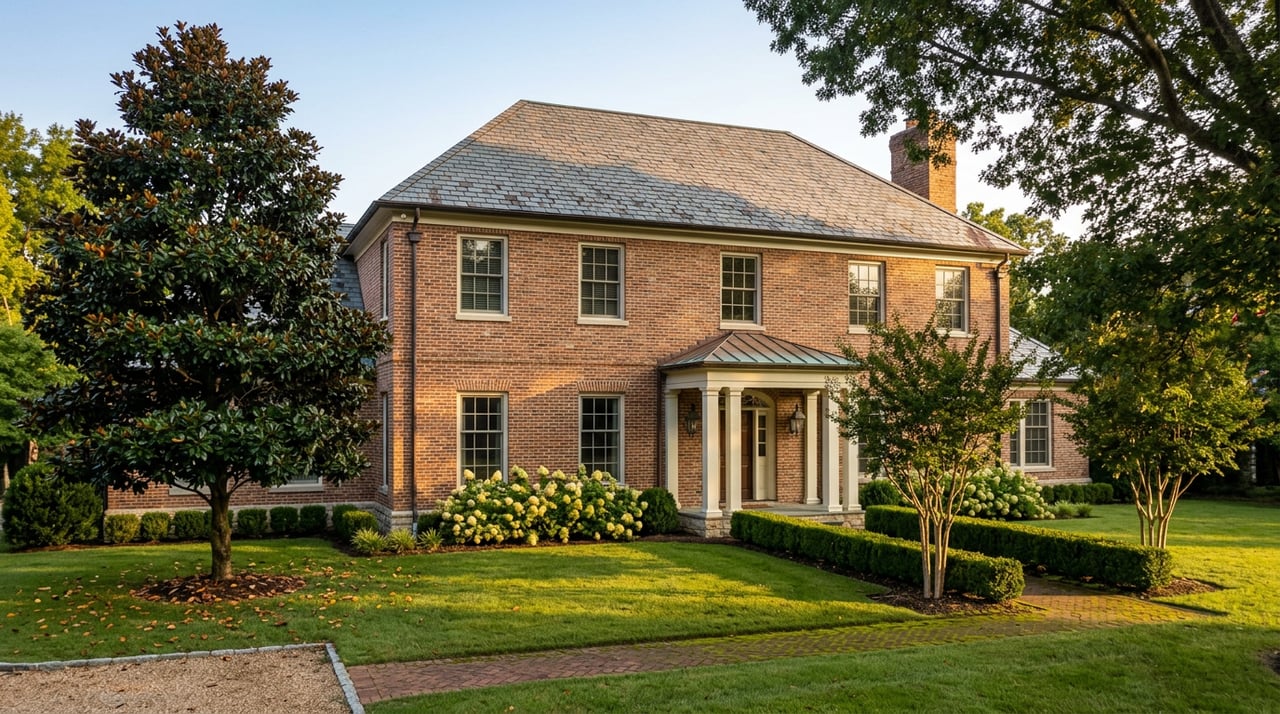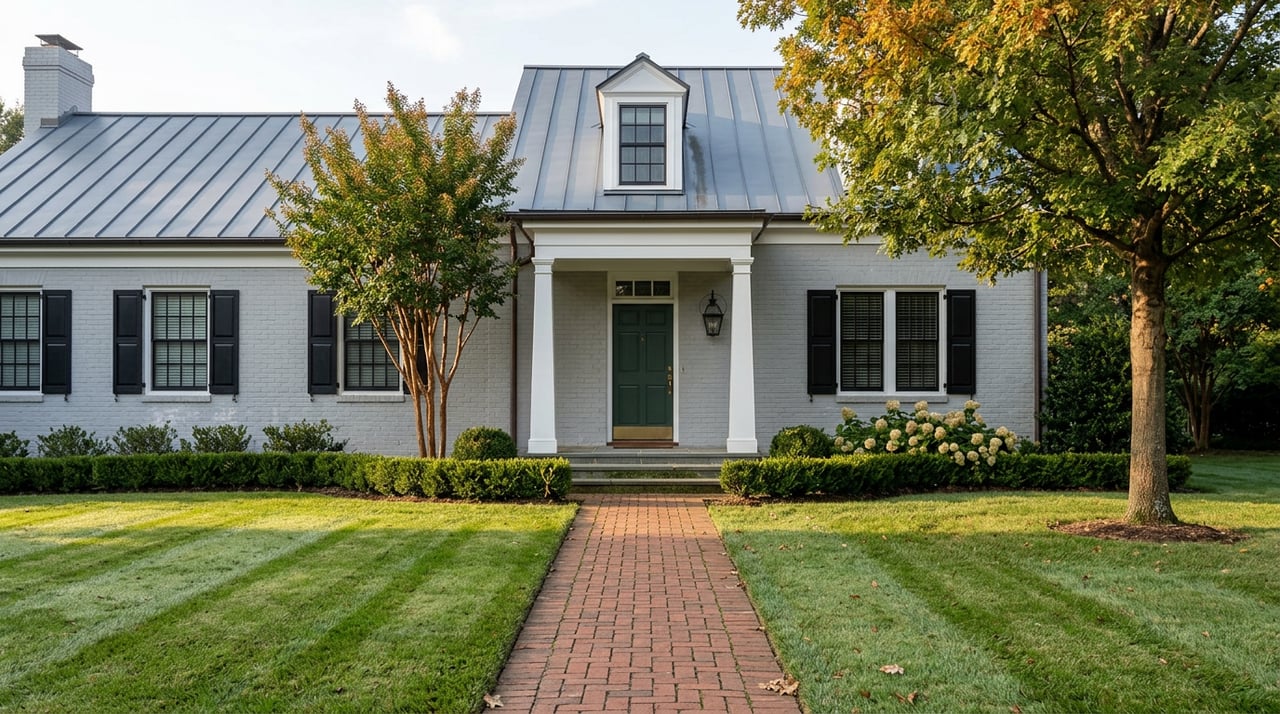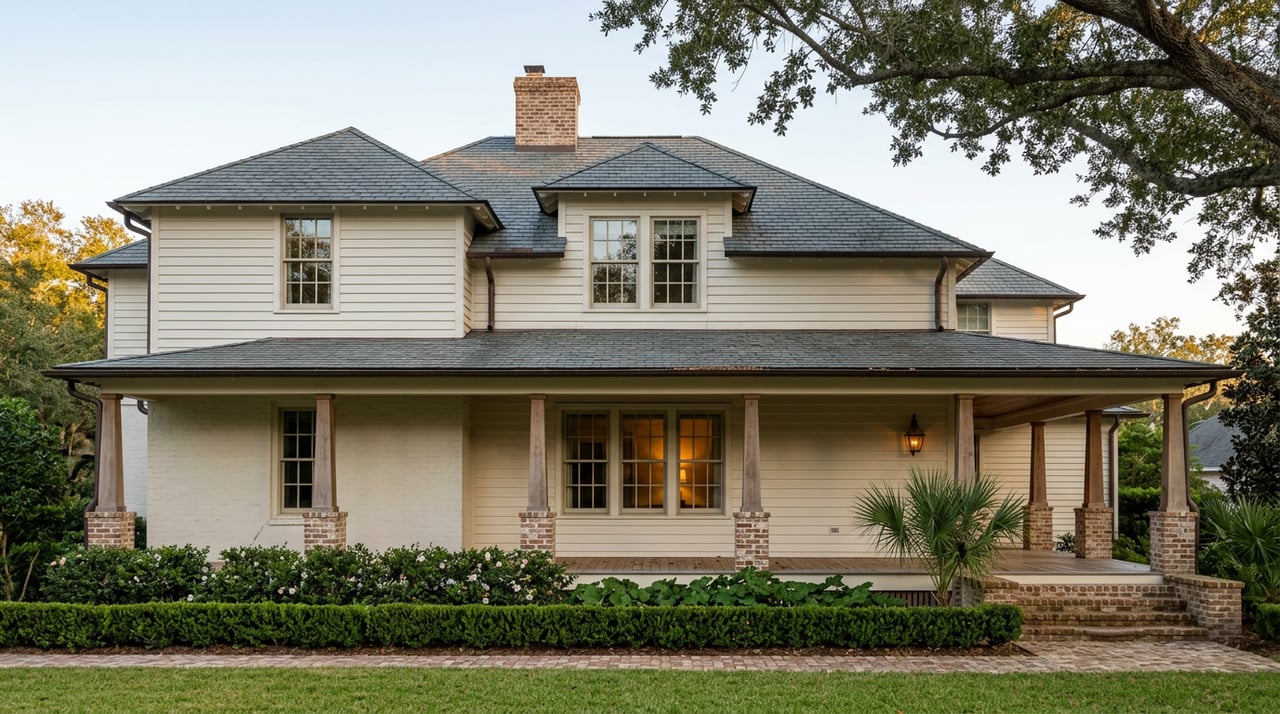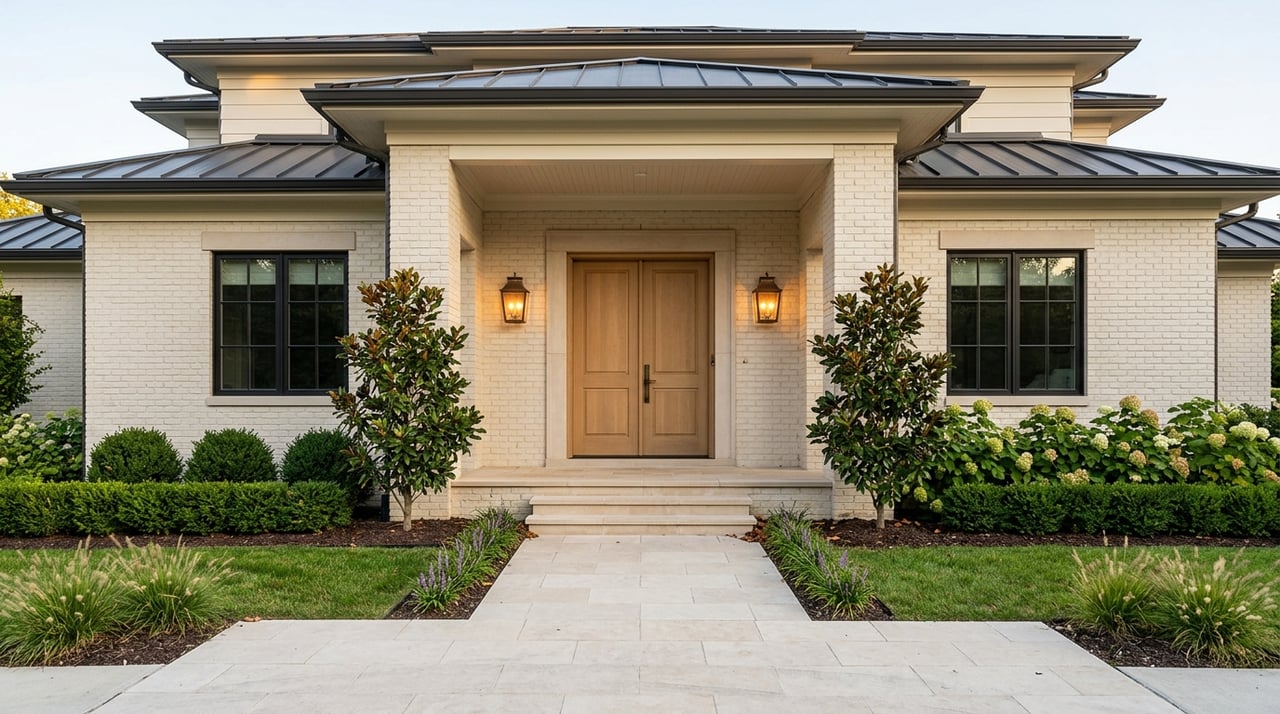
If you want to attract an out-of-state buyer for your Tennessee luxury home, you need more than beautiful rooms and a strong list price. Remote buyers are making high-stakes decisions from photos, videos, disclosures, and a limited number of visits, so small gaps in presentation or documentation can create outsized hesitation. When you prepare with both marketing and property condition in mind, you can reduce friction, build confidence, and make your home feel worth the trip. Let’s dive in.
Why Out-of-State Buyers Need More Certainty
Out-of-state buyers often compare Tennessee with several other markets at the same time. According to NAR’s 2024 migration research, 36% of REALTORS® said their clients moved to a different state, and 46% moved to the South. Many chose their new area to be closer to family and friends, get more home for the money, and benefit from favorable taxes.
That means your home is not just competing with nearby listings. It may also be competing with luxury properties in other Southern markets that promise space, outdoor living, and a quieter setting. If your home looks well-kept, well-documented, and easy to understand from a distance, you immediately stand on stronger footing.
The online experience matters just as much. NAR’s 2024 buyer profile found that 43% of buyers started their search online, and buyers typically viewed seven homes, with two seen online only. Photos, detailed property information, and floor plans were rated especially useful, which tells you something important: your listing package has to answer questions before a buyer ever boards a plane.
Start With Condition, Not Just Style
Luxury sellers sometimes focus first on design updates, but out-of-state buyers usually want reassurance before they want inspiration. They are asking themselves whether the home is truly turnkey, whether hidden issues may appear later, and whether the property will appraise and close smoothly. That is why condition should lead your preparation plan.
A polished home can create excitement, but a well-vetted home creates trust. For remote buyers, trust is everything. If they cannot stop by again next week for a second look, they will lean heavily on inspection findings, disclosures, and the overall consistency of the listing story.
Prioritize a Pre-List Inspection Strategy
In Tennessee, a home inspection is not required by law, but the Tennessee Department of Commerce and Insurance says it is a good idea and is for the buyer’s benefit. Inspectors typically perform a visual evaluation of major systems and components, though there are limits to what they are required to do. For sellers, that makes a pre-list review a smart way to identify issues early rather than under contract.
For a Tennessee luxury home, the most useful pre-list inspection strategy is one that focuses on the items most likely to create appraisal delays, repair requests, or buyer anxiety. This is not about over-renovating. It is about addressing defects that could slow financing or complicate closing.
Focus on High-Friction Systems
Pay closest attention to these areas before you go live:
- Roof condition
- HVAC systems
- Plumbing
- Electrical systems
- Foundation concerns
- Crawlspace condition
- Moisture intrusion
- Drainage issues
- Unpermitted alterations or additions
These categories matter because they often overlap with both inspection concerns and Tennessee disclosure topics. If you identify problems early, you have more control over timing, scope, and presentation.
Review Luxury Features Carefully
Luxury homes often include specialty systems that deserve their own documentation and maintenance review. Tennessee’s disclosure form asks about items such as pools, spas, hot tubs, saunas, irrigation systems, sump pumps, fireplaces, water heaters, water supply, waste disposal, and gas supply.
If your home includes these features, do not treat them like afterthoughts. Service records, manuals, repair invoices, and clear notes on current operating condition can help a remote buyer feel more confident. A buyer who sees a pool, outdoor kitchen, irrigation system, or private utility feature will want to know that it has been cared for.
Understand Tennessee Disclosure Requirements
Tennessee’s Residential Property Disclosure Act requires most sellers of residential real estate to complete a disclosure statement. State consumer guidance explains that the form covers property condition, known defects or malfunctions, and issues such as environmental hazards, flood or drainage problems, encroachments, and unpermitted work. It is important to take this process seriously because failure to disclose can cancel a contract or support legal action.
At the same time, the disclosure is not a warranty and does not replace a professional inspection. That distinction matters. Your disclosure tells the buyer what you know, while an inspection gives the buyer their own visual evaluation of the property.
Separate Disclosure From Repair Promises
One of the most important details for Tennessee sellers is that the sales agreement can still control repair obligations and “as-is” terms. The state form specifically says an executed sales agreement supersedes the disclosure form on those points. In practical terms, that means you should clearly separate two questions:
- What are you required to disclose?
- What are you willing to repair, credit, or sell as-is?
This clarity can prevent confusion later in the transaction. It also helps remote buyers understand the property honestly without assuming every disclosed item will be corrected before closing.
Address Issues That Can Derail Financing
Some repairs matter because they affect the buyer’s comfort level. Others matter because they can affect appraisal and lending. Fannie Mae states that appraisers must identify immediate repairs and deferred maintenance, and an appraisal can be completed as-is only when issues are minor and do not affect safety, soundness, or structural integrity.
Examples of minor issues include worn floor finishes, minor plumbing leaks, holes in window screens, missing handrails, and cracked window glass. More serious deficiencies can trigger a subject-to-repair requirement. For a luxury seller, that means the right prep work is often less about major remodeling and more about removing obstacles that could interrupt the closing timeline.
Tackle Construction-Minded Repairs First
The most strategic repairs are often the least glamorous. If you know there is active moisture intrusion, aging mechanical equipment, drainage trouble, or evidence of deferred maintenance, those items usually deserve attention before cosmetic projects.
This is where construction-aware guidance can make a real difference. A refined listing presentation works best when it is backed by sound systems, credible maintenance history, and fewer surprises once the buyer enters due diligence.
Do Not Overlook Tennessee-Specific Concerns
Out-of-state buyers may not know what is normal in Tennessee and what deserves a closer look. That creates an opportunity for proactive preparation. When you address location-specific concerns upfront, you reduce uncertainty and show that the home has been represented with care.
Sinkholes Need Clear Disclosure
Tennessee law now requires sellers to disclose any known sinkhole on the property before contract, whether or not it appears on the plat map. TEMA also notes that karst terrain can create sinkhole hazards in Tennessee and advises caution around filled sinkholes and built structures where geologic concerns are present.
If a sinkhole issue is known, it is better to prepare documentation early and present the information clearly. Late discovery can create immediate alarm for a remote buyer who is already operating with limited firsthand knowledge.
Flooding and Drainage Deserve Attention
Flood and drainage issues should never be minimized. TEMA says flooding is Tennessee’s most common and costly natural disaster, can happen anywhere, and that even one inch of flooding can cause more than $25,000 in damage. The state also notes that standard homeowners insurance does not cover flood damage and that elevation certificates may be needed for certain properties.
Even if your home is not in an obvious flood-prone setting, any known drainage patterns, past water intrusion, grading concerns, or related repairs should be reviewed carefully before listing. For an out-of-state buyer, uncertainty about water is one of the fastest ways to cool enthusiasm.
Watch for EIFS and Similar Materials
Tennessee’s disclosure form specifically references EIFS or synthetic stucco with moisture concerns. If your home has this type of exterior cladding, it is wise to understand its condition and gather any available inspection or repair history.
This does not mean the material is automatically a problem. It means buyers may have questions, and good documentation can help answer them with confidence.
Pre-1978 Homes Need Lead-Paint Compliance
If your home was built before 1978, lead-paint rules should be part of your prep plan. EPA says sellers of most pre-1978 housing must disclose known information, provide available records, give buyers the EPA pamphlet, and allow a 10-day opportunity for a paint inspection or risk assessment.
If you are doing repairs or cosmetic work before listing, remember that renovation, repair, or painting that disturbs painted surfaces can create hazardous lead dust. Planning ahead matters here, especially in older luxury homes where buyers may expect both historic character and careful compliance.
Presentation Still Matters Because It Shapes Confidence
Once the home’s condition and documentation are in order, presentation becomes far more powerful. NAR’s 2025 staging report found that 29% of agents said staging increased the dollar value offered by 1% to 10%, and 49% said staging reduced time on market. The same report found that 83% of buyers’ agents said staging made it easier for buyers to envision the home as their future residence.
For out-of-state buyers, presentation is not just about beauty. It is about reducing doubt. A calm, clean, visually cohesive home suggests care, while clutter or visual noise can make buyers wonder what else has been overlooked.
Keep the Look Calm and Current
The most effective updates are often simple:
- Deep cleaning throughout
- Decluttering storage areas and main rooms
- Refining curb appeal
- Reducing overly personal decor
- Creating a neutral, well-maintained feel
This approach helps the home read as elevated and move-in ready. For long-distance buyers, that sense of readiness can be the difference between scheduling a showing and moving on.
Build a Strong Digital Listing Package
Because many buyers begin online and may view some homes only digitally, your marketing package should do real work. High-quality photography, video, and floor plans are especially important for luxury properties with layered layouts, outdoor living spaces, and specialty features.
A strong digital package should help a buyer understand flow, scale, condition, and lifestyle use. When the visuals, written remarks, and documentation all feel aligned, the home earns credibility faster. That is especially valuable when your target buyer is relocating from another state and making decisions on a compressed timeline.
Prepare Like a Buyer Will Ask for Proof
One of the best ways to prepare your Tennessee luxury home is to assume an out-of-state buyer will want verification for anything that appears meaningful. If the home has a newer roof, gather records. If a pool was resurfaced, keep the invoice. If a drainage improvement was made, organize the details.
This type of preparation does two things well. First, it makes your listing more persuasive from the start. Second, it gives you a cleaner path through negotiations, inspections, and appraisal review.
A Concierge Approach Makes the Process Easier
Preparing a luxury home for an out-of-state audience takes more coordination than a standard listing plan. You need thoughtful sequencing, strong marketing, and a practical eye for which repairs matter most. You also need a strategy that respects privacy while still giving remote buyers enough information to act decisively.
That is where a concierge-style approach adds real value. When brokerage guidance is paired with construction-minded insight and polished presentation, you can position your home to show better, disclose clearly, and move toward closing with fewer surprises.
If you are preparing a Tennessee luxury property for relocation-driven demand, a private strategy session can help you decide what to repair, what to document, and how to present the home for maximum confidence. To arrange tailored guidance, connect with Fuller Group.
FAQs
What should Tennessee luxury sellers fix before listing for out-of-state buyers?
- Focus first on issues that can create inspection, appraisal, or financing problems, such as roof concerns, HVAC problems, plumbing leaks, electrical defects, foundation issues, moisture intrusion, drainage trouble, and unpermitted work.
What do Tennessee sellers have to disclose when listing a luxury home?
- Most Tennessee sellers must complete a disclosure statement covering property condition, known defects or malfunctions, environmental hazards, flood or drainage problems, encroachments, and certain specialty features and systems.
Do Tennessee luxury homes need a pre-list inspection before going on the market?
- A pre-list inspection is not required by law in Tennessee, but it can help you identify issues early and reduce surprises during the buyer’s inspection period.
Why does staging matter for out-of-state luxury buyers in Tennessee?
- Staging, decluttering, cleaning, and curb appeal improvements help remote buyers better understand the home online and can reduce doubt about condition and upkeep.
What Tennessee property issues worry out-of-state luxury buyers most?
- Buyers often have added concern about flood or drainage history, known sinkholes, moisture issues, EIFS or synthetic stucco concerns, and the condition of specialty features like pools, spas, fireplaces, and irrigation systems.
Do older Tennessee luxury homes require lead-paint disclosure?
- If a home was built before 1978, most sellers must disclose known lead-based paint information, provide available records, and give buyers a 10-day opportunity for a paint inspection or risk assessment.